
Learning a New Tempo
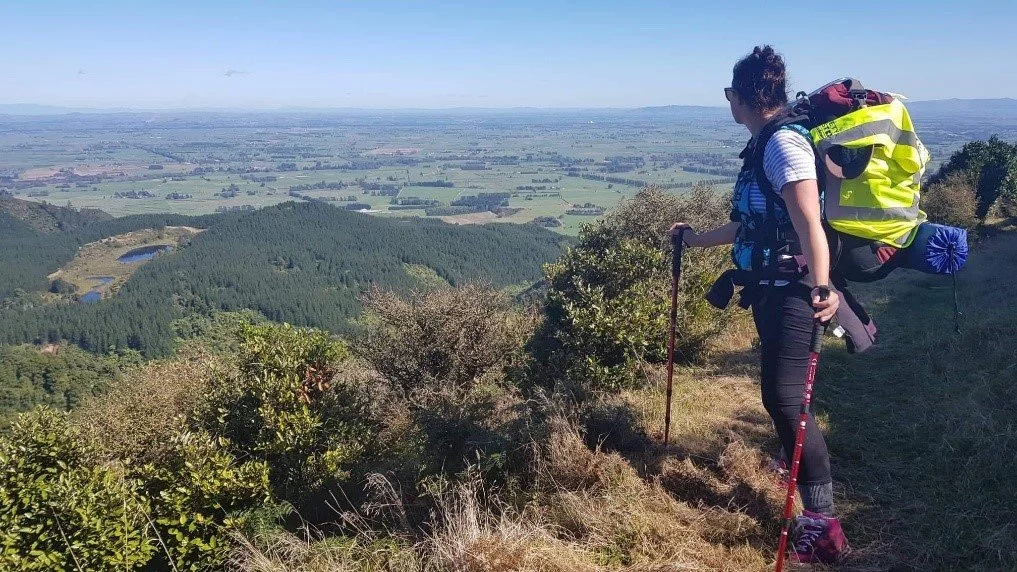
Before October 2022, I was 37, a mother of two young children aged 2 and 5, we’d recently moved towns to a new farm. Life was very full.
I was working full-time, helping run our sharemilking business, holding a governance role in my professional organisation, and preparing to return to music therapy work in palliative care. A life my husband and I had built with persistence and purpose.
Music wasn’t just work; it was part of who I was. It regulated me, grounded me and brought me joy. I’d always lived with a body that could never really do what I wanted it to, being quite intolerant to exercise even from a young age, I had unexplained aches and injuries, and a brain that never really slowed down. But I was still active and strong. I loved yoga, swimming and I went on three-day tramps with friends. I walked the farm most days, often with music in my ears and always singing.
Then I got COVID and everything stopped.
The Illness That Didn’t Resolve
It felt like a bad flu. Upper respiratory symptoms with burning pain in my lungs, wiped out for a couple of weeks. I rested because that’s what we were told to do, expecting to recover and be back to normal. About a month later, I couldn’t catch my breath, I felt dizzy and something was not quite right. Anxiety and asthma were suggested, and I was given some steroids to calm down my lungs. Returning to the usual routine, I went for my long walk around the farm. A few hours later, I was in bed, and something fundamental had changed. My body felt like it was humming and in pain all over. The fatigue wasn’t just “tired.” It was heavy and all-consuming. I struggled to find my words, my arms ached lifting them to wash my hair. Some days I crawled to the bathroom.
Light and sound hurt. Even gentle music felt like too much. The very thing that had always regulated my nervous system now overwhelmed it. There were days when I couldn’t tolerate background noise at all.
Searching for Answers
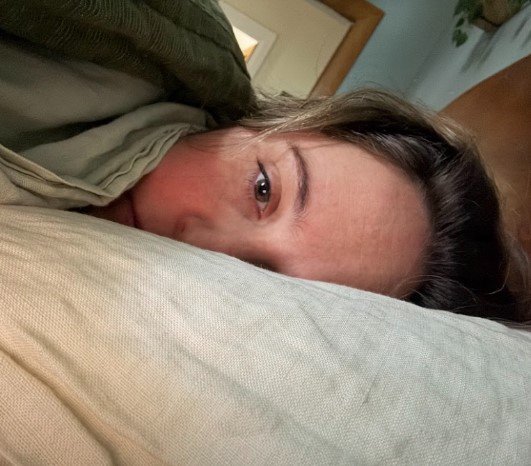
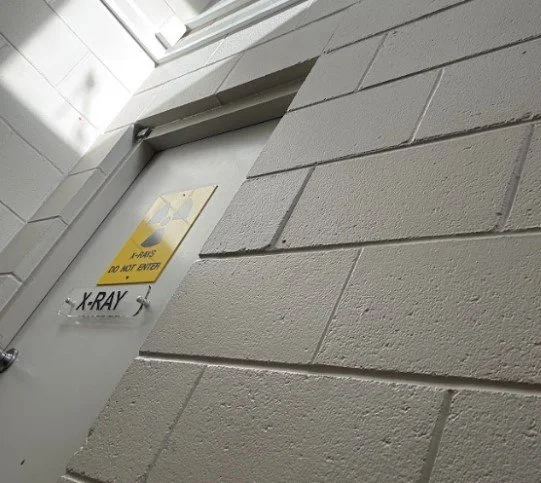
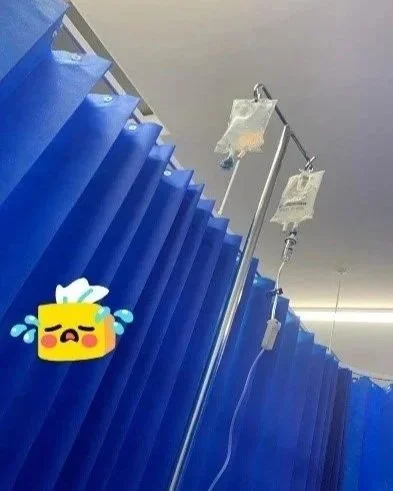
Over the next year, I moved through the system. GP visits. Tests. Referrals. Sleep studies. X-rays. Specialist appointments.
Eventually, I was given a label: chronic fatigue syndrome and fibromyalgia along with some returning anxiety and depression. It wasn’t completely wrong, I was worried, beyond exhausted and in pain. Feeling utterly sick and tired of being sick and tired. It felt like being handed a jigsaw puzzle where some pieces were missing and others belonged to an entirely different picture.
My post-exertional crashes still lasted weeks. Then months. I reduced work and I spent most of my time in bed. My husband quietly became my caregiver. I attended a two-week pain rehabilitation programme at QE in Rotorua. I came home exhausted and with a confronting reality check. I learned pacing strategies and nervous system regulation techniques…but I still could not understand why good sleep, careful nutrition, and gentle movement left me in pain, hypersensitive to light and sound, experiencing chest pain and palpitations, and profoundly fatigued.
Data Validation
I managed to buy a smartwatch, and for the first time I had objective data to match my symptoms. My resting heart rate was often over 100 beats per minute, even in my sleep. Standing made it jump dramatically. I felt dizzy, breathless, with insatiable thirst. Sometimes I’d look down and see blood pooling in my legs, dark and mottled, while my heart raced in my chest. It was quietly terrifying.
A perceptive casual doctor at my local medical centre decided to push further. Despite two declined public cardiology referrals, I was fitted with a Holter monitor. The results showed Inappropriate Sinus Tachycardia, explained as “likely anxiety” or “sometimes following COVID-19.” A beta blocker helped, but it wasn’t a magic pill, by late 2023, I couldn’t work anymore. I was sleeping 14–15 hours a day. Brain fog made forming sentences impossible, and walking felt like wading through mud.
Joining the Dots
Living rurally meant limited access to specialists, so I became my own investigator. I began reading about dysautonomia and post-viral illness and slowly started connecting the dots back to COVID-19. A local Bradcliff-trained physiotherapist provided guidance and tools to calm my autonomic nervous system. But I still had lots of questions.
Why did my skin flare bright red with the lightest scratch?
Why did my rib cage ache constantly, like I was working just to hold myself upright?
Why did sitting in a chair feel physically effortful when everyone else seemed to just sit?
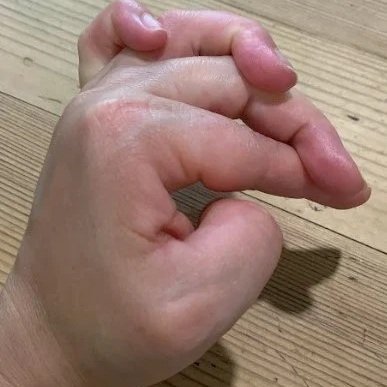
A physiotherapist friend noticed my hypermobility immediately. I’d always thought of my flexibility as a party trick. When I read about hypermobile Ehlers-Danlos Syndrome, reviewed the diagnostic criteria and researched each term, I realised I met almost every marker.
The Slow Turning of the Tide in 2025
I then met with a Private Cardiologist who specialised in Autonomic Dysfunction, who reviewed my dysautonomia management. I later saw a Hypermobility Specialist Physiotherapist who formally assessed and diagnosed hypermobile Ehlers-Danlos Syndrome and Mast Cell Activation Syndrome.
With accurate diagnoses and medications better suited to my autonomic nervous system, my symptoms became more manageable. My cardiologist referred me to begin a Dysautonomia protocol under the guidance of a Clinical Exercise Physiologist, who carefully monitored my PEM and symptoms. Progress was slow and I have never been the most patient of patients!
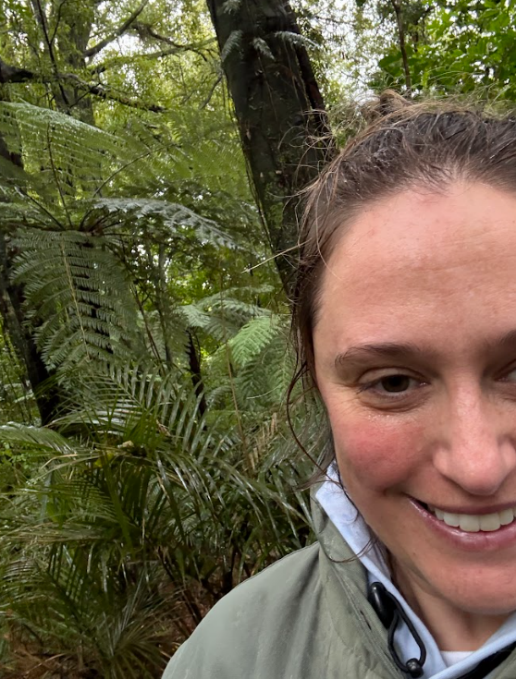
But over six months, I progressed from walking three minutes to walking twenty. After years largely confined to bed and developing a genuine fear of exertion and exercise, this felt like freedom. Walking in the rain in the bush, feeling the cool water on my skin - I cried, but not from grief this time, but utter relief!
The Final Piece: My Neurotype
One question remained, the lifelong overwhelm, hypersensitivity, and internal chaos that had always been present, but intensified after COVID-19 and into my forties.
Friends gently suggested neurodivergence. After formal screening and psychiatric assessment, I was diagnosed with inattentive ADHD. The medication adjustment was complex given my tachycardia, when the balance was right, it felt like someone had turned the lights on. For the first time for as long as I can remember, my mind was calm, quiet and functional.
Grief, Privilege, and Acceptance
This journey has been deeply painful, and I have grieved the loss of my former self. Felt anger at a medical system that treats horses well but overlooks the zebras. I’ve sat with despair, believing I would never return to work, never leave my bedroom, never parent in the way I once did.
I try to live each day with dignity and autonomy – despite living with a dynamic, invisible disability. with many people often saying that “I don’t look sick”, but I feel it on the inside. I receive 7.5 hours of care per week and use mobility aids when needed.
I also acknowledge my privilege. Accessing private specialist care in Aotearoa New Zealand comes at enormous financial and personal cost. Inequity in chronic and complex illness care is real, particularly in rural communities. Investing in my health has required difficult choices and significant sacrifice.
What This Experience Has Given Me
I no longer take a healthy body for granted. I understand how quickly everything can change.
I have met lifelong friends. My relationships are deeper and more honest. My children have learned to value small, meaningful moments. One day, I pushed them on the swings again, something I once believed I would never be able to do. That moment mattered more than any professional title or productivity metric ever could.
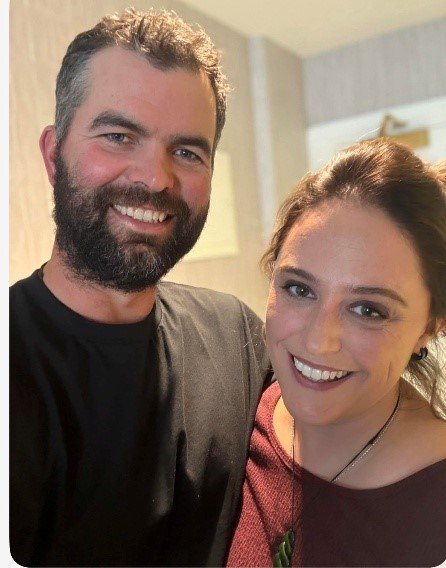
I am deeply grateful to my team of specialists, my wider support networks, my family, and especially my husband, Jeff, who embodies the meaning of “in sickness and in health” every single day.
This is not the life I expected. But I am learning its rhythm, and the dynamics can change at any time.
I am learning how to adapt within this new tempo with courage, and hope.
